Table of Contents
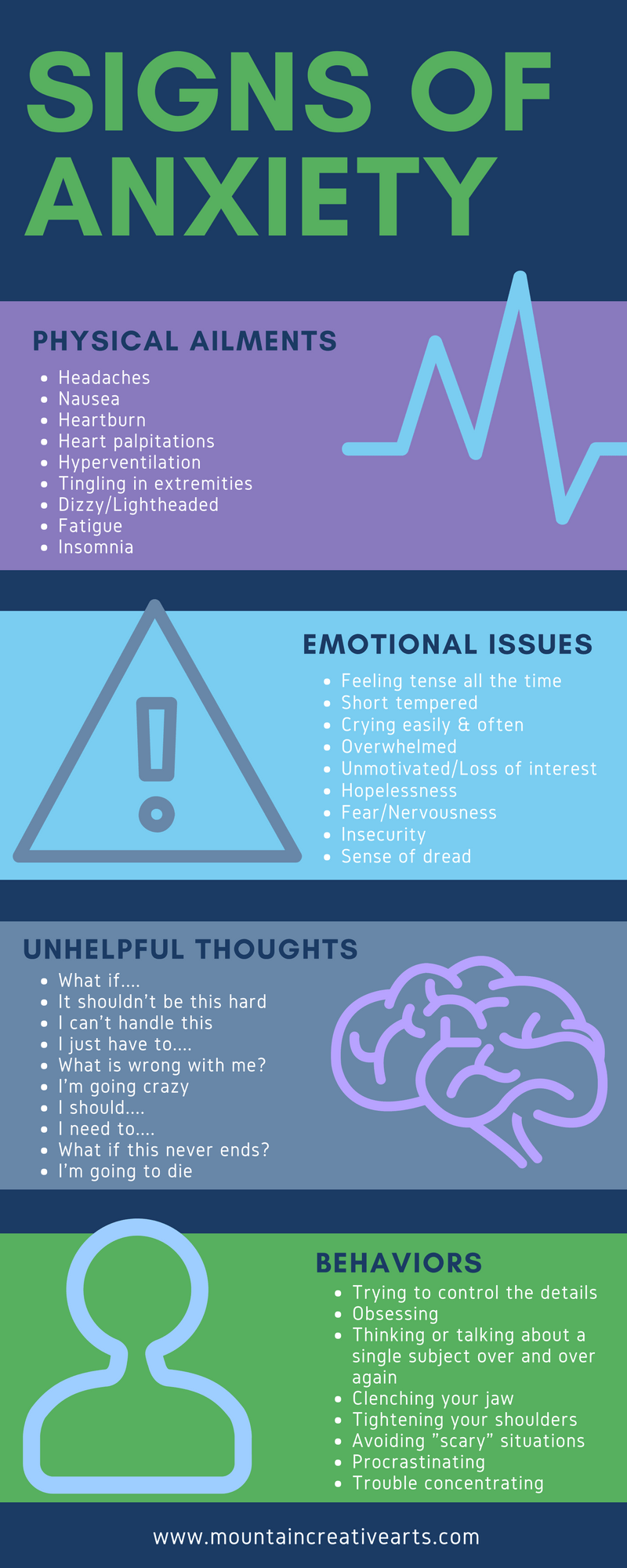
The treatment advised will be based on the sort of clinical depression you have. If you have much less serious (light) anxiety, the following treatments might be recommended. If a general practitioner diagnoses you with light depression, they might recommend waiting a short time to see if it gets much better by itself. In this instance, you'll be seen again by the general practitioner after 2 to 4 weeks to check your progression.
Your general practitioner might suggest trying directed self-help to see if it can assist with your depression. You'll generally have 6 to 8 sessions where you resolve a workbook or on-line training course, with assistance from a therapist. The sessions might remain in individual, by phone or online. Assisted self-help for anxiety is typically based on the principles of cognitive behavioural treatment (CBT).
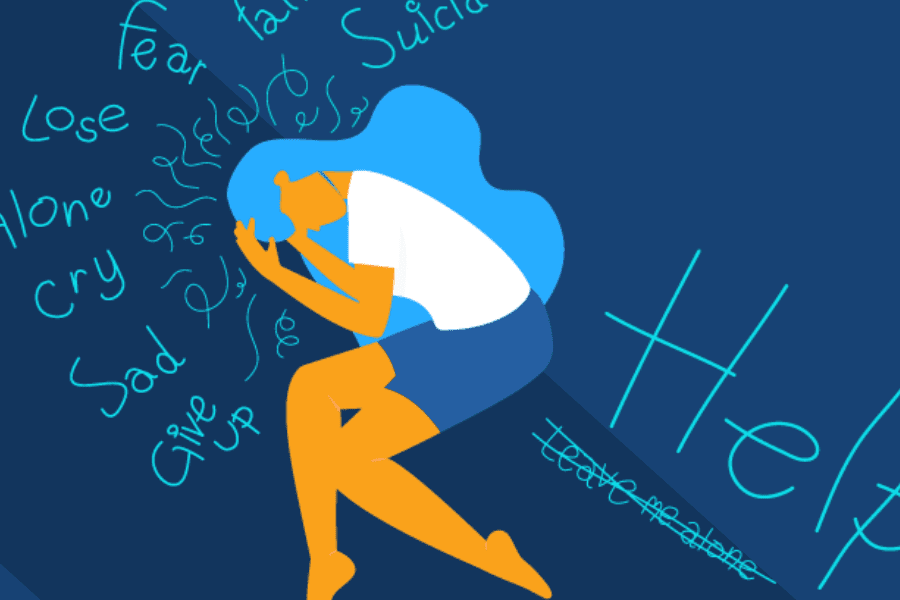
There's proof that exercise can assist clinical depression, and it's one of the major therapies for mild depression. You may be referred to a group exercise course that's made to assist with depression.
Healing Inner Voices in Therapeutic Work
A General practitioner can refer you for speaking treatments, or you can refer yourself directly to an NHS talking therapies solution without a recommendation from a GENERAL PRACTITIONER.
They need to be prescribed by a physician, normally for anxiety that's moderate or severe. A general practitioner might advise that you take a training course of antidepressants plus chatting treatment, especially if your clinical depression is rather severe. A mix of an antidepressant and CBT generally works much better than having just one of these therapies.
These groups frequently provide extensive expert speaking therapies as well as prescribed medicine. Cognitive behavioral therapy (CBT) intends to help you recognize your thoughts and behaviour, and just how they affect you. CBT recognises that occasions in your past may have formed you, yet it focuses primarily on just how you can change the method you believe, feel and behave in the here and now.
CBT is available on the NHS for people with anxiety or any type of various other psychological health issue it's been revealed to assist. If CBT is suggested, you'll normally have a session with a specialist when a week or once every 2 weeks. This might be a group session or a private session.
Holistic Treatment in Dubai Developmental Trauma
They can refer you for regional chatting treatments for depression. Waiting times for speaking treatments can be a number of weeks or months.
Animated video clip describing self-referral to chatting therapies solutions for anxiety, anxiety or anxiety. There are numerous various types available. The majority of people with modest or severe anxiety advantage from antidepressants, yet not everyone does.
How Family of Origin Trauma on Adult Mental Health
Side effects differ between various therapies and people. Contact a GP right away if you have any kind of sensations of pessimism or suicidal ideas that start or get even worse after starting antidepressants.
If they're functioning, you'll need to continue taking them at the same dosage for at the very least 4 to 6 months after your signs have reduced. If you have actually had episodes of clinical depression in the past, you may need to proceed to take antidepressants long-term. You'll be reviewed a minimum of two times a year to see whether you require to maintain taking them.
These side results normally boost over time. SSRIs might not be suggested for individuals with certain health and wellness problems, or for kids and youths under 18 years of age. Research reveals that the risk of self-harm and self-destructive behavior may raise if they're taken by under-18s. Fluoxetine is the only SSRI that can be recommended for under-18s and, also then, only when a professional has actually provided the consent.
Modern Methods for Overcoming Complex PTSD With Perinatal Mental Health Services Expertise
(Cymbalta or Yentreve) job in a slightly various way from SSRIs and TCAs. They're understood as serotonin-noradrenaline reuptake preventions (SNRIs). Studies have actually shown that an SNRI can be much more reliable than an SSRI, but they can lead to an increase in blood pressure.
It's often made use of with each other with various other types of antidepressant. This can be handy if you have depression and troubles getting to sleep.
Antidepressants are not addicting similarly that controlled substances and cigarettes are, however you might have some withdrawal signs when you quit taking them. You'll be advised to minimize your dose slowly to help prevent withdrawal signs. These can include: a dismayed stomachflu-like symptomsanxietydizzinessvivid dreams at nightsensations in the body that seem like electric shocksIn most situations, these are fairly mild and last no more than 1 or 2 weeks, yet periodically they can be rather serious.

Navigation
Latest Posts
Finding Healing With Connection & & Injury Therapy: A Comprehensive Guide
EMDR Therapy in Treating PTSD
EMDR in Treating Trauma